Newline produces effective courses for aspiring lead developers
Explore wide variety of content to fit your specific needs
course
Pro
Power AI course
article
NEW RELEASE
Pro

Beyond Basic RAG: Self-RAG, CRAG, and RA-DIT Patterns That Actually Improve Retrieval
The short version: Basic RAG follows a rigid sequence: retrieve k passages, insert them into the prompt, generate an answer. The weakness often sits in that fixed sequence, not in the retriever. The RAG survey describes the shift from basic retrieval to modular and adaptive designs. Self-RAG offers…
article
NEW RELEASE
Free

Startup Credits for AI Builders: Spend Free Cloud Budget on RAG, Evals, and n8n Workflows
Startup credit programs can cover much of the stack AI builders use: Google Cloud for compute and Gemini calls, Anthropic's Claude API for inference, n8n workflow automation credits, Runware for image generation, and Pinecone's free starter tier for vector storage. Program details vary depending on…
article
NEW RELEASE
Free

Dotenv TypeScript for AI Agents: Typed Env Validation for OpenAI Keys, MCP, and Safer Deploys
Raw environment variables are strings. When you load process.env.OPENAI_API_KEY in a TypeScript project, you get a string — or you get undefined if someone forgot to set it. Your agent boots, runs for thirty seconds, then crashes when it tries to call the OpenAI API with a missing key. No warning…
article
NEW RELEASE
Free

Skip ML Theory: Ship AI Apps with One API Call and a Rollback Script
When you run an AI agent behind a production API, every millisecond you add compounds. Users don't care whether your agent consulted three models or made six tool calls. They want the result. Exposing that complexity at the API boundary leaves you with brittle clients and debugging sessions at 2…
article
NEW RELEASE
Pro

Find vs Grep for AI Coding Workflows: Why Grep Still Beats Plain Search for Agent Debugging
Watch: Debug Retrieval (Grep, Web Search) Before You Debug the LLM by Isaac Flath Ask grep to find getUserName across a large codebase and it scans every line sequentially. Ask ripgrep to do the same job and it often finishes faster—parallelized work, automatic .gitignore respect. That gap stops…
course
Bootcamp

AI bootcamp 2
This advanced AI Bootcamp teaches you to design, debug, and optimize full-stack AI systems that adapt over time. You will master byte-level models, advanced decoding, and RAG architectures that integrate text, images, tables, and structured data. You will learn multi-vector indexing, late interaction, and reinforcement learning techniques like DPO, PPO, and verifier-guided feedback. Through 50+ hands-on labs using Hugging Face, DSPy, LangChain, and OpenPipe, you will graduate able to architect, deploy, and evolve enterprise-grade AI pipelines with precision and scalability.
course
Pro

Building a Typeform-Style Survey with Replit Agent and Notion
Learn how to build beautiful, fully-functional web applications with Replit Agent, an advanced AI-coding agent. This course will guide you through the workflow of using Replit Agent to build a Typeform-style survey application with React and TypeScript. You will learn effective prompting techniques, explore and debug code that's generated by Replit Agent, and create a custom Notion integration for forwarding survey responses to a Notion database.
course
Pro

30-Minute Fullstack Masterplan
Create a masterplan that contains all the information you'll need to start building a beautiful and professional application for yourself or your clients. In just 30 minutes you'll know what features you'll need, which screens, how to navigate them, and even how your database tables should look like
course
Pro

Lightspeed Deployments
Continuation of 'Overnight Fullastack Applications' & 'How To Connect, Code & Debug Supabase With Bolt' - This workshop recording will show you how to take an app and deploy it on the web in 3 different ways All 3 deployments will happen in only 30 minutes (10 minutes each) so you can go focus on what matters - the actual app
book
Pro
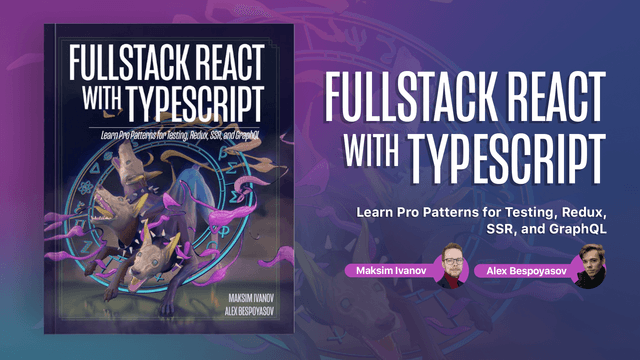
Fullstack React with TypeScript
Learn Pro Patterns for Hooks, Testing, Redux, SSR, and GraphQL
book
Pro
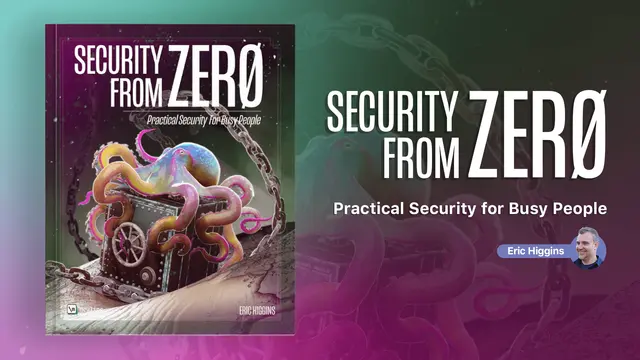
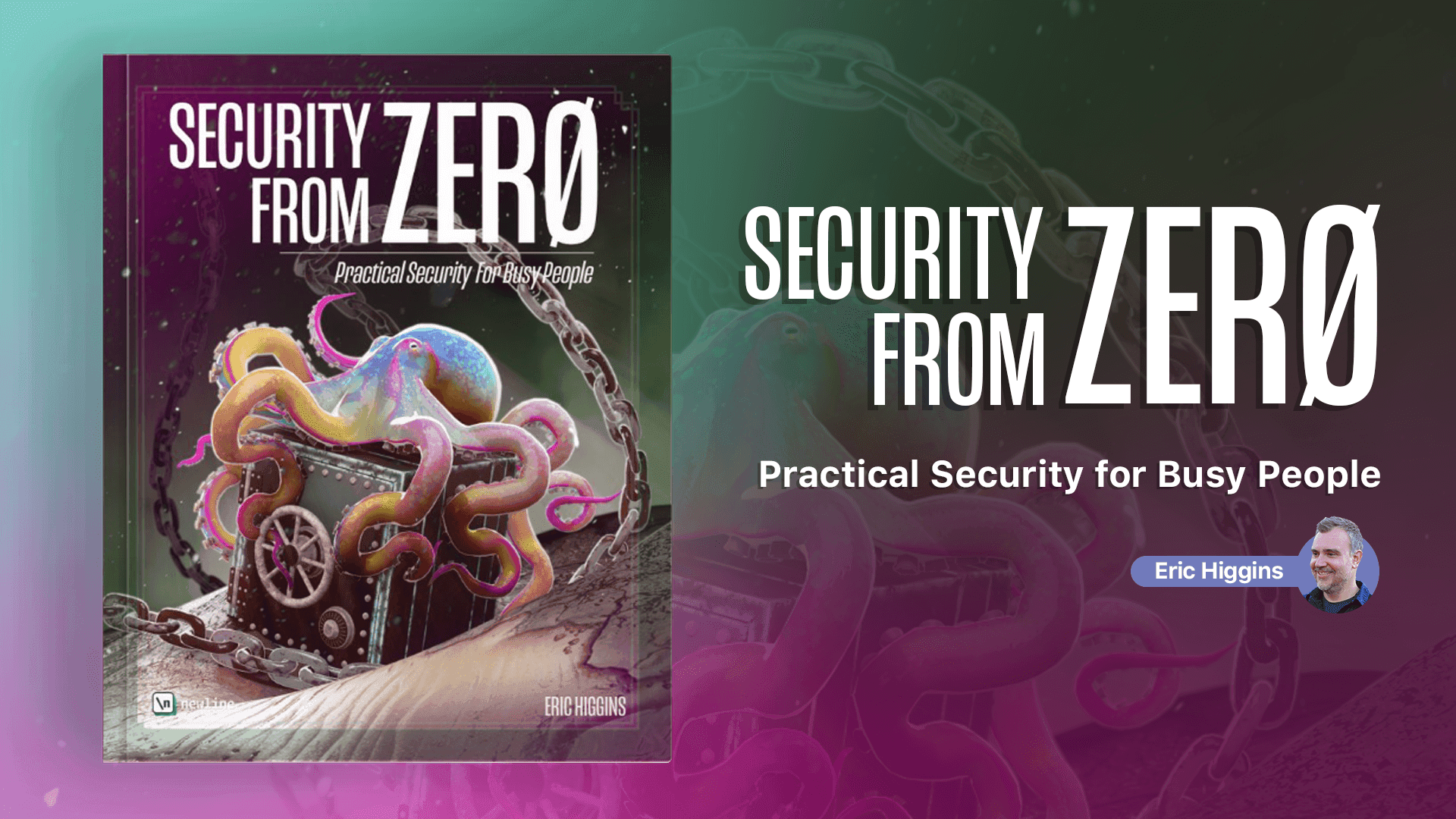
Security from Zero
Practical Security for Busy People
book
Pro
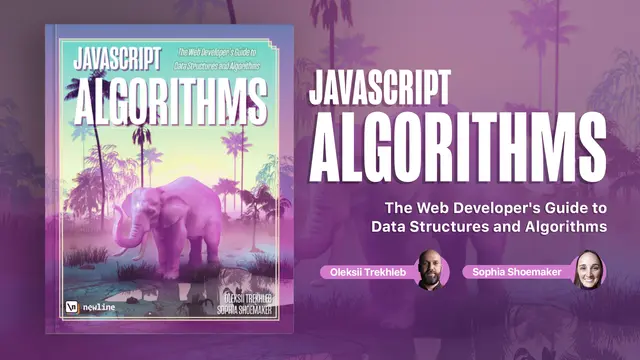
JavaScript Algorithms
Learn Data Structures and Algorithms in JavaScript
book
Pro
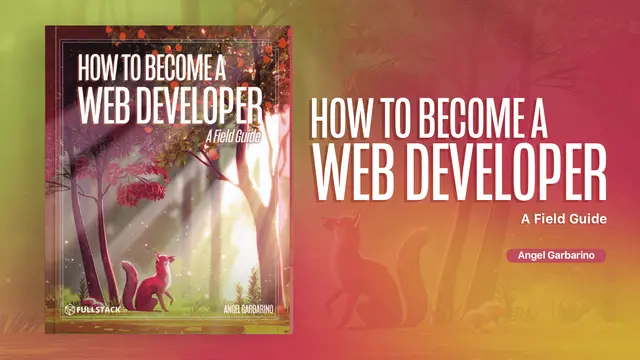
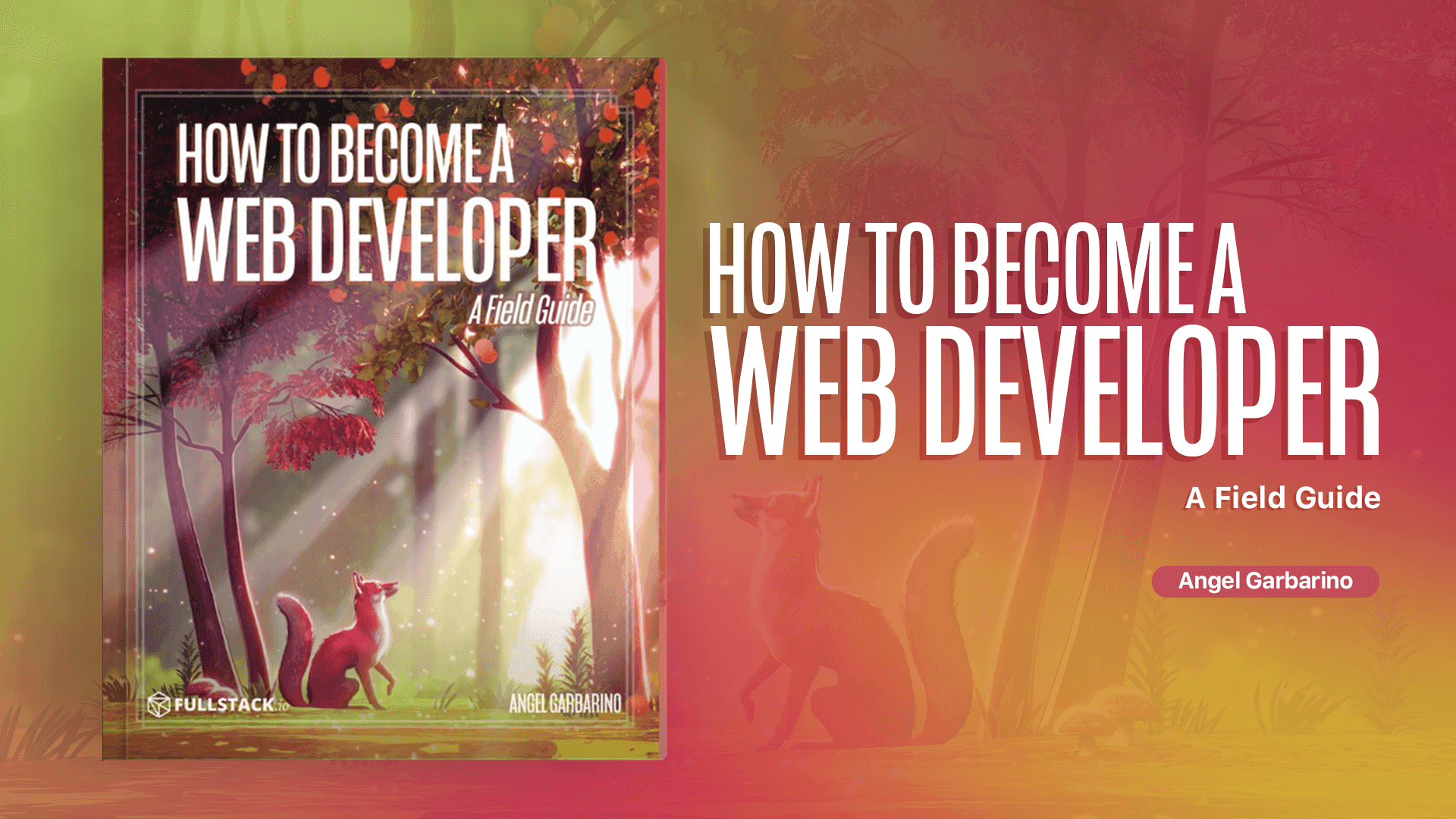
How to Become a Web Developer: A Field Guide
A Field Guide to Your New Career
book
Pro
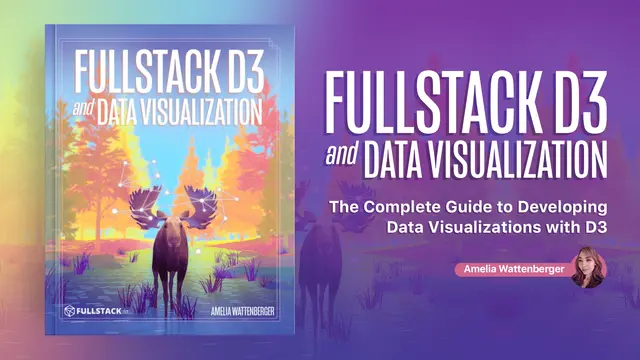
Fullstack D3 and Data Visualization
The Complete Guide to Developing Data Visualizations with D3
EXPLORE RECENT TITLES BY NEWLINE
Expand your skills with in-depth, modern web development training


Our students work at







Stop living in tutorial hell
Binge-watching hundreds of clickbait-y tutorials on YouTube. Reading hundreds of low-effort blog posts. You're learning a lot, but you're also struggling to apply what you've learned to your work and projects. Worst of all, uncertainty looms over the next phase of your career.
How do I climb the career engineering ladder?
How do I continue moving toward technical excellence?
How do I move from entry-level developer to senior/lead developer?
Learn from senior engineers who've been in your position before.
Taught by senior engineers at companies like Google and Apple, newline courses are hyper-focused, project-based tutorials that teach students how to build production-grade, real- world applications with industry best practices!
newline courses cover popular libraries and frameworks like React, Vue, Angular, D3.js and more!








With over 500+ hours of video content across all newline courses, and new courses being released every month, you will always find yourself mastering a new library, framework or tool.
At the low cost of $40 per month, the newline Pro subscription gives you unlimited access to all newline courses and books, including early access to all future content. Go from zero to hero today! 🚀
Level up with the newline pro subscription
Ready to take your career to the next stage?


newline pro subscription
- Unlimited access to 60+ newline Books, Guides and Courses
- Interactive, Live Project Demos for every newline Book, Guide and Course
- Complete Project Source Code for every newline Book, Guide and Course
- 20% Discount on every newline Masterclass Course
- Discord Community Access
- Full Transcripts with Code Snippets
Explore newline courses
Explore our courses and find the one that fits your needs. We have a wide range of courses from beginner to advanced level.




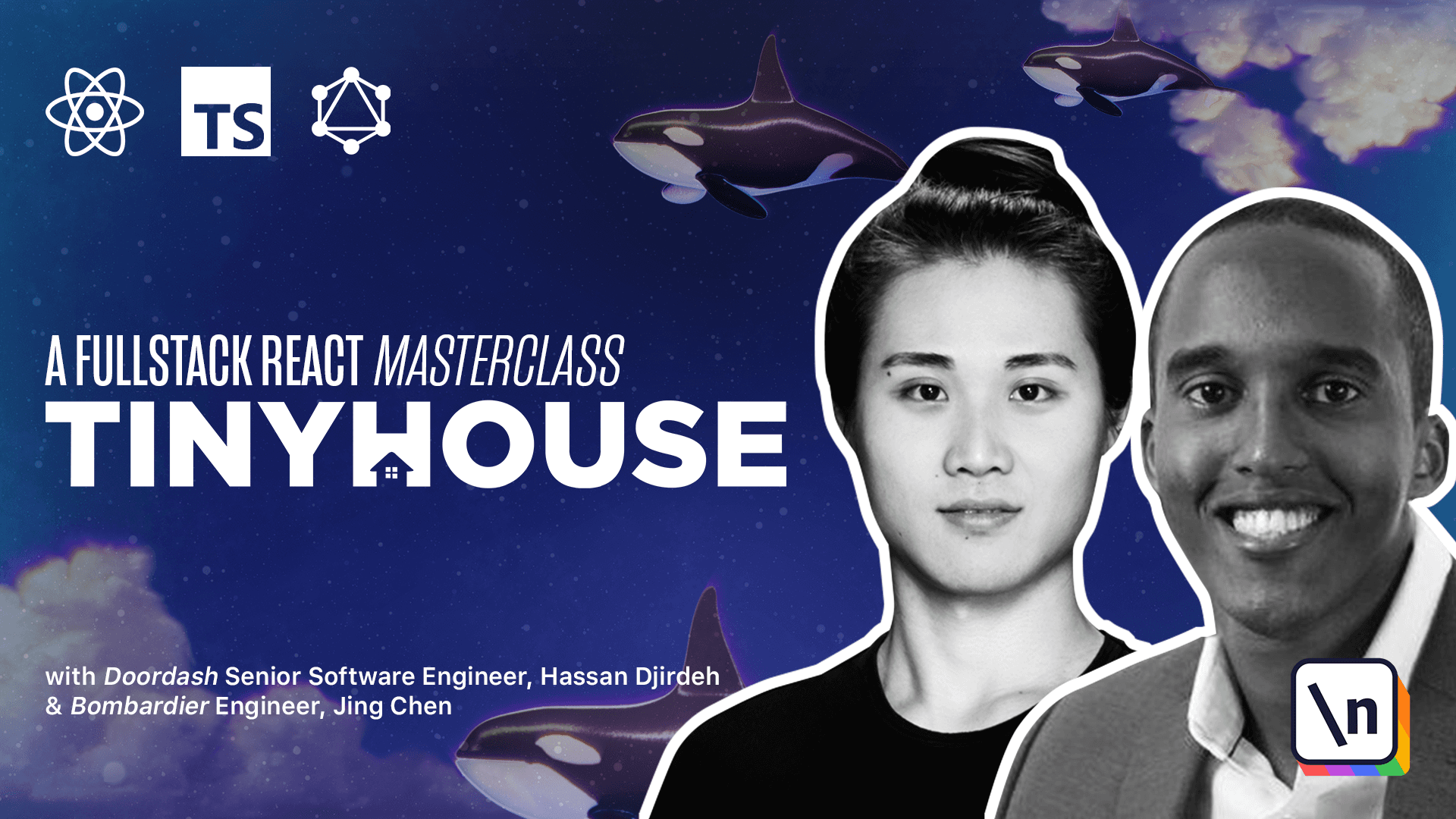
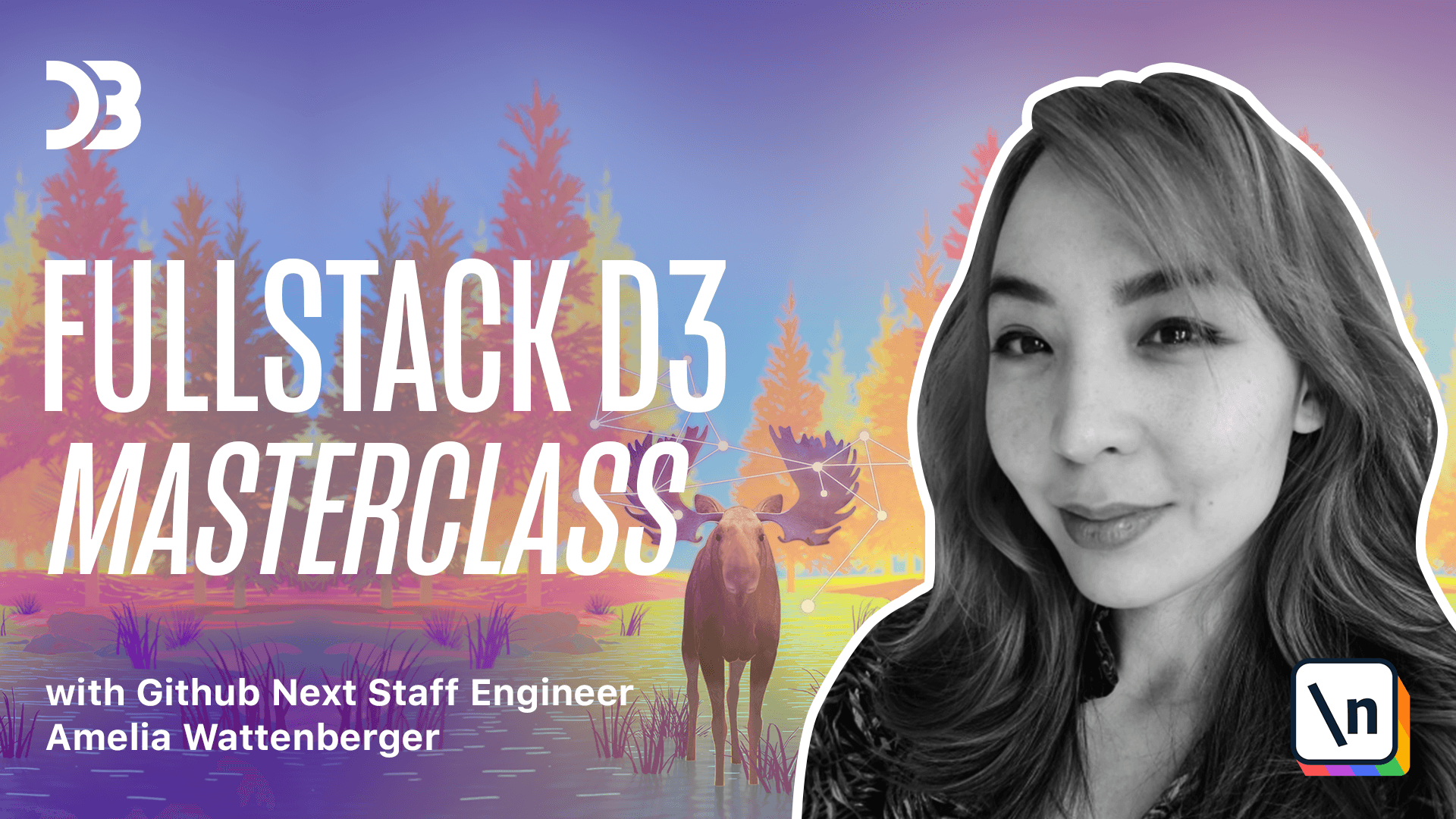
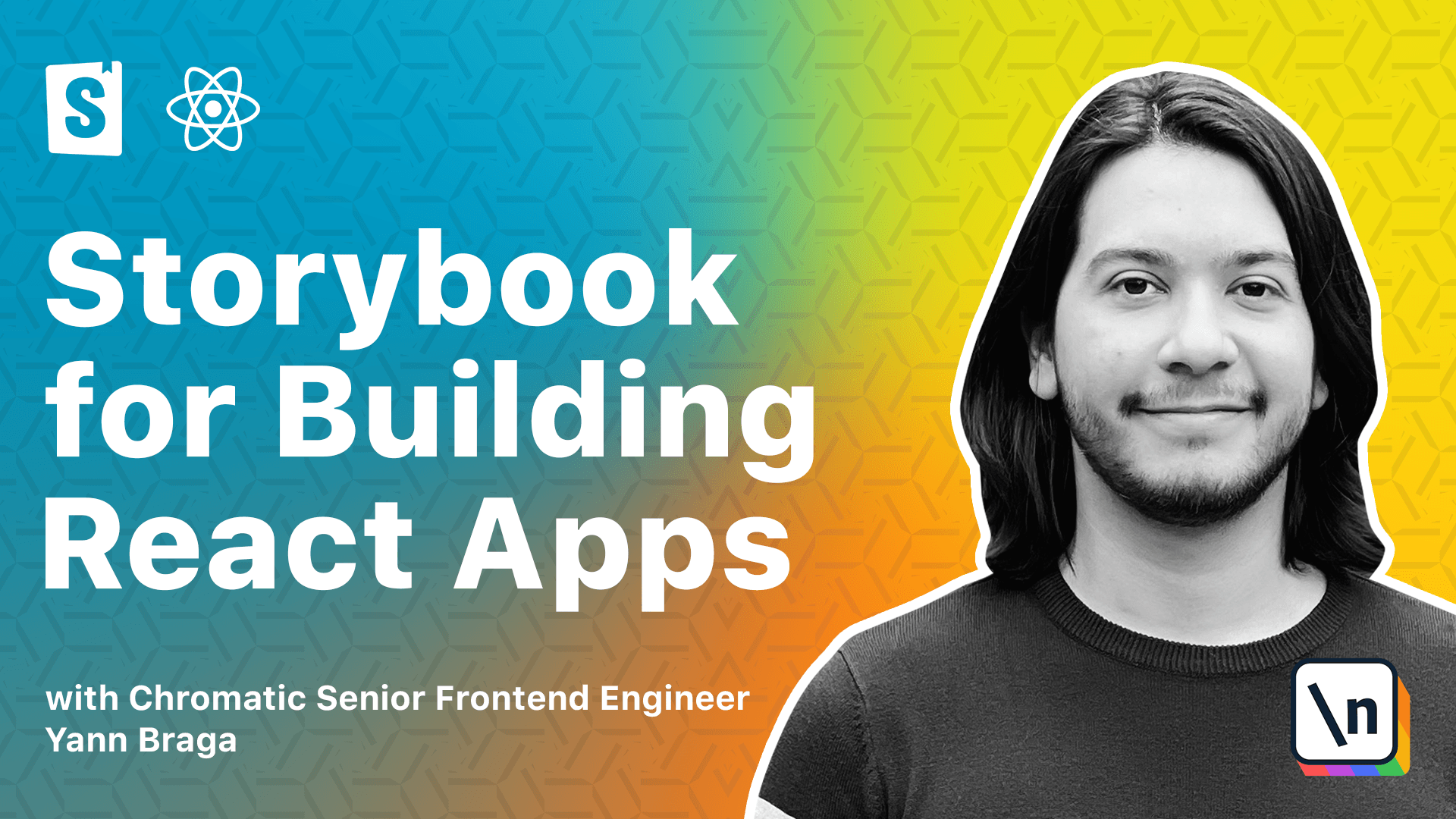
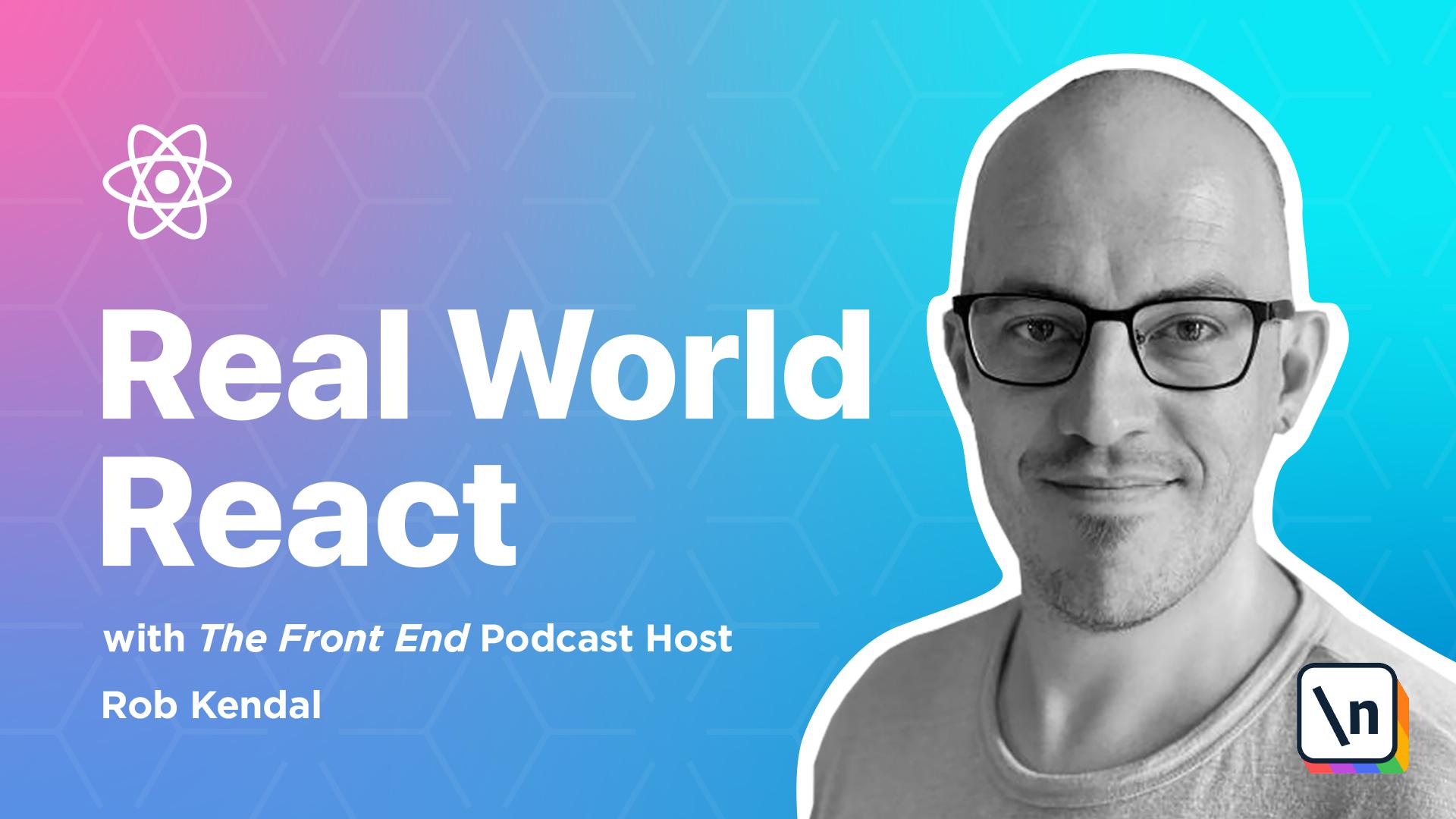






Explore newline books
Explore our books and find the one that fits your needs.


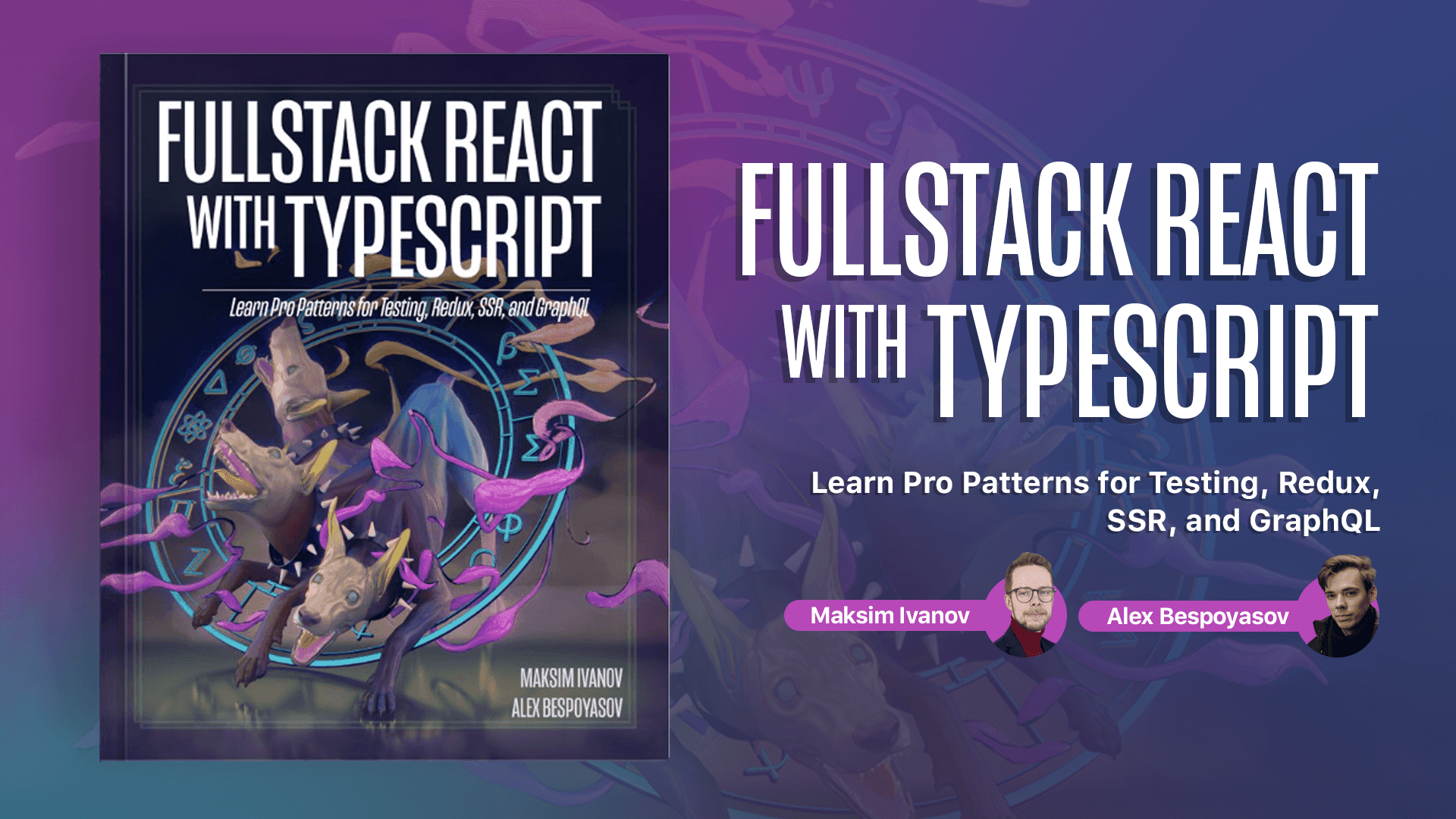
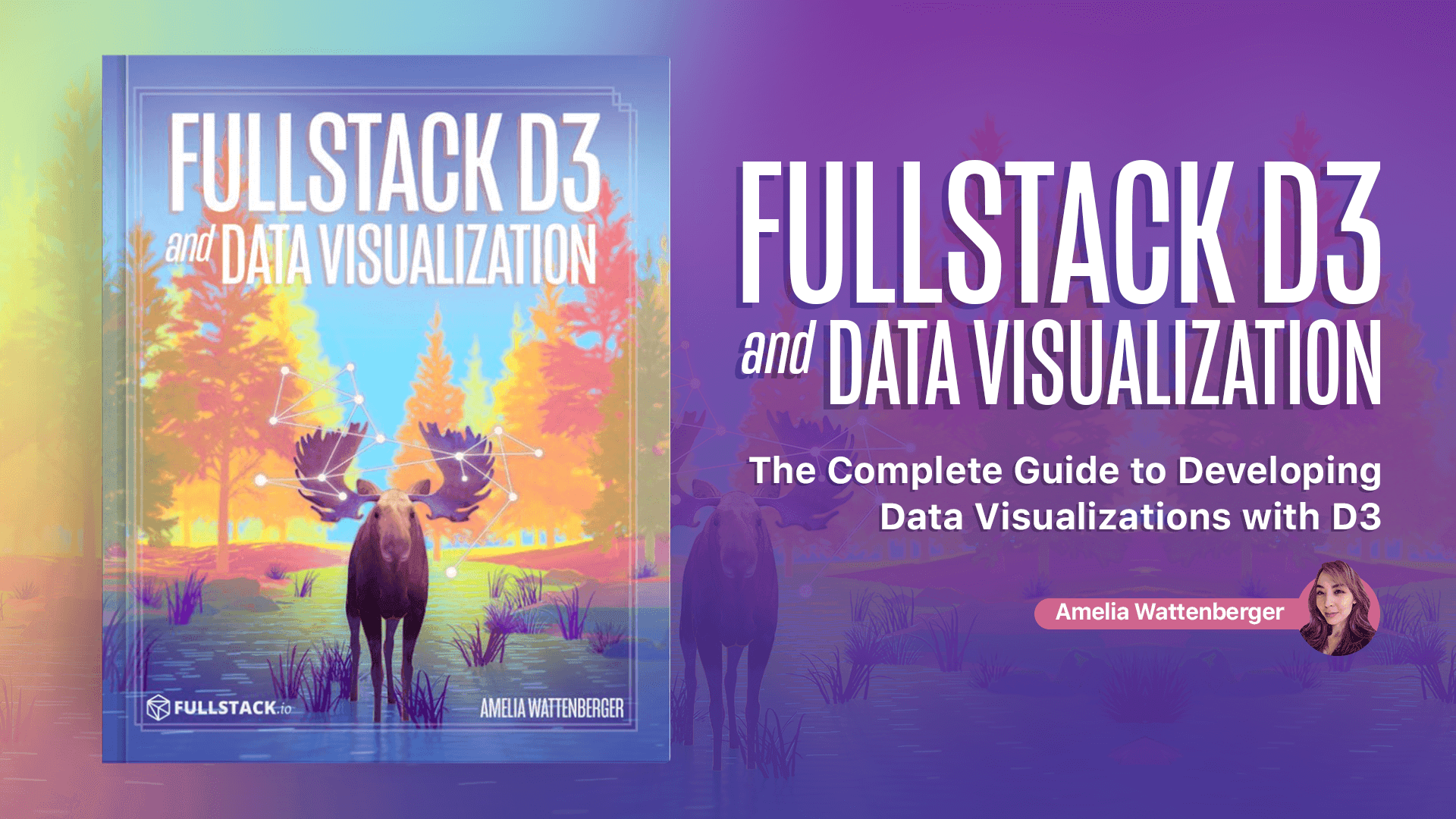
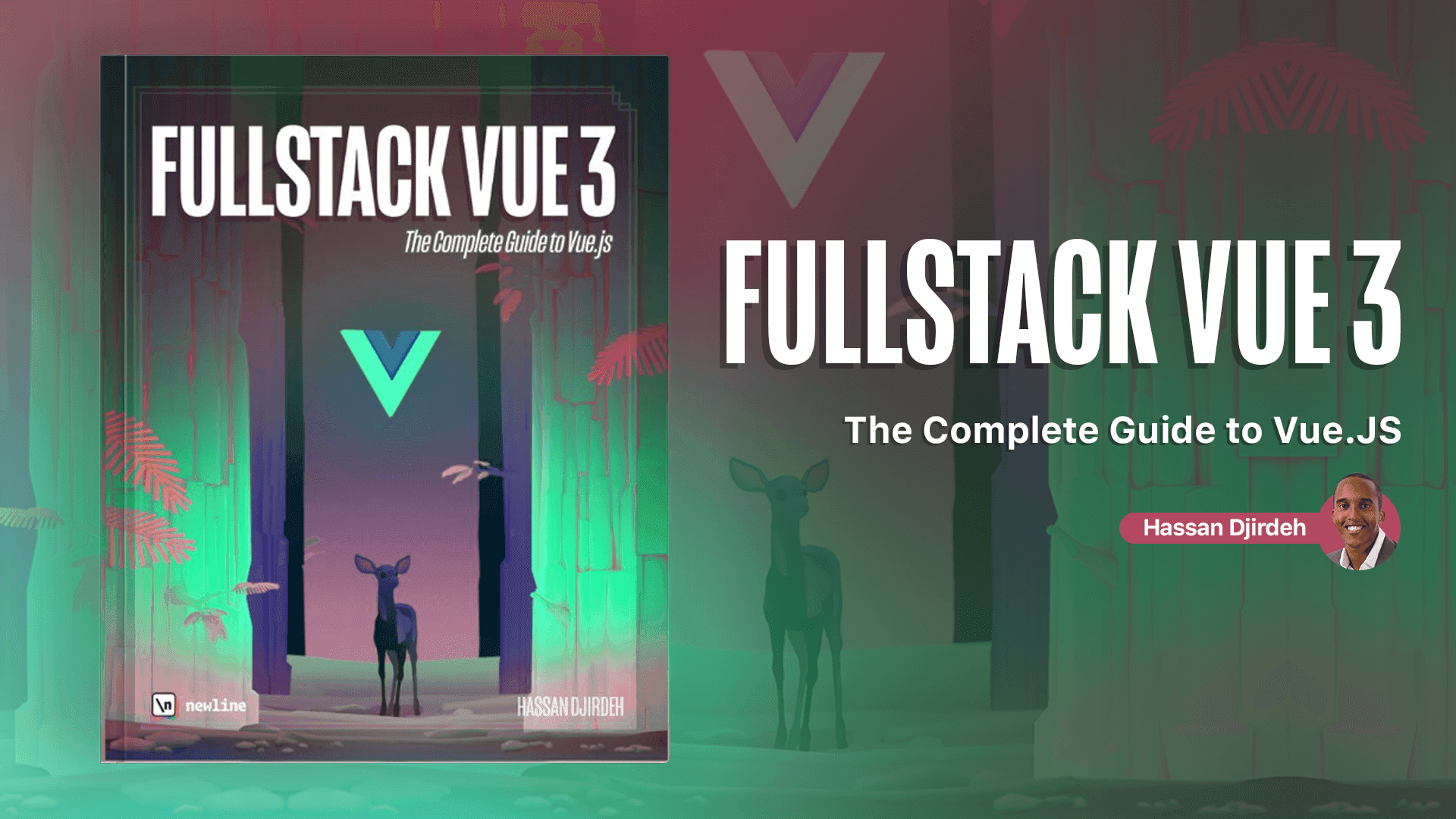
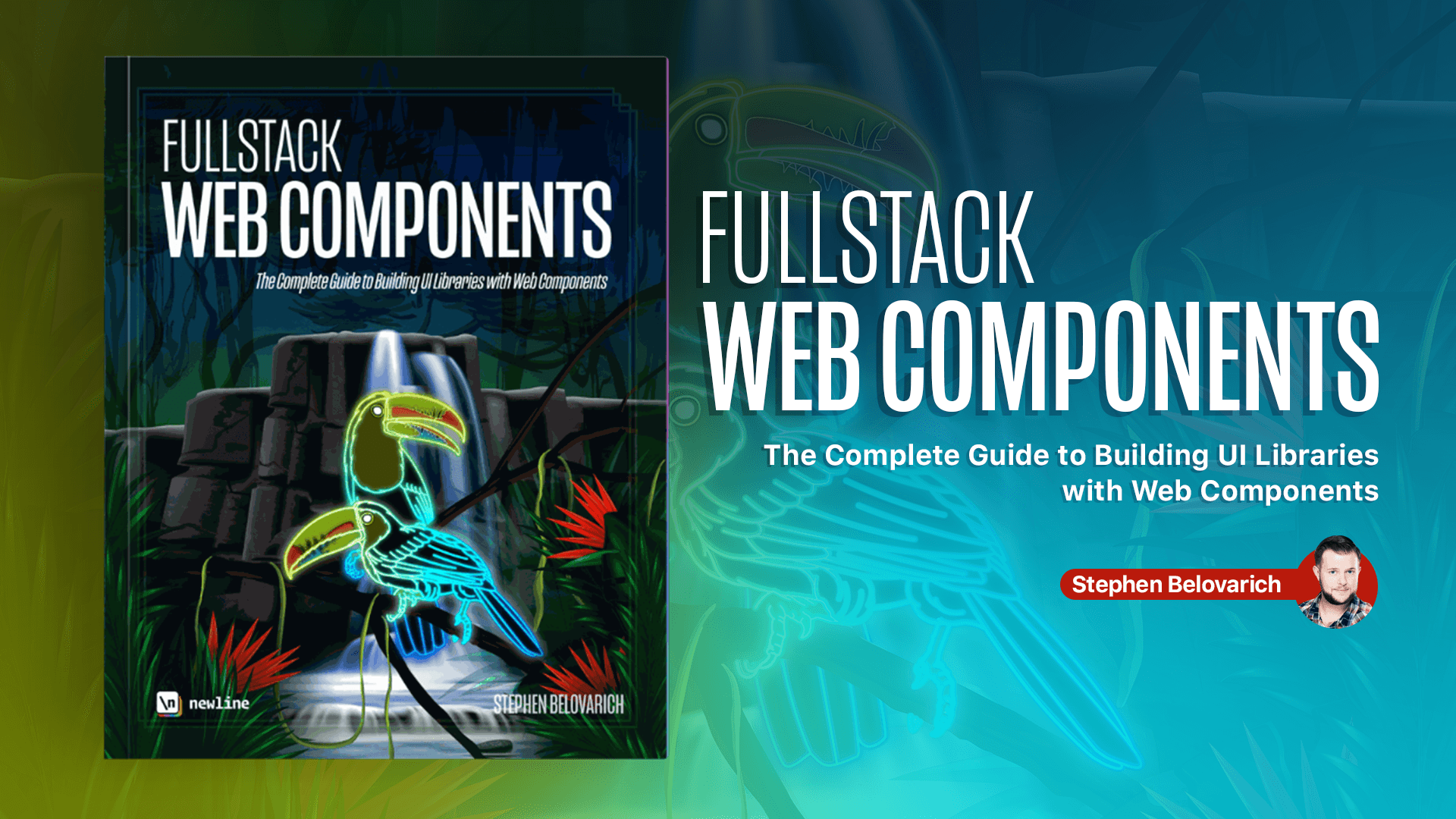
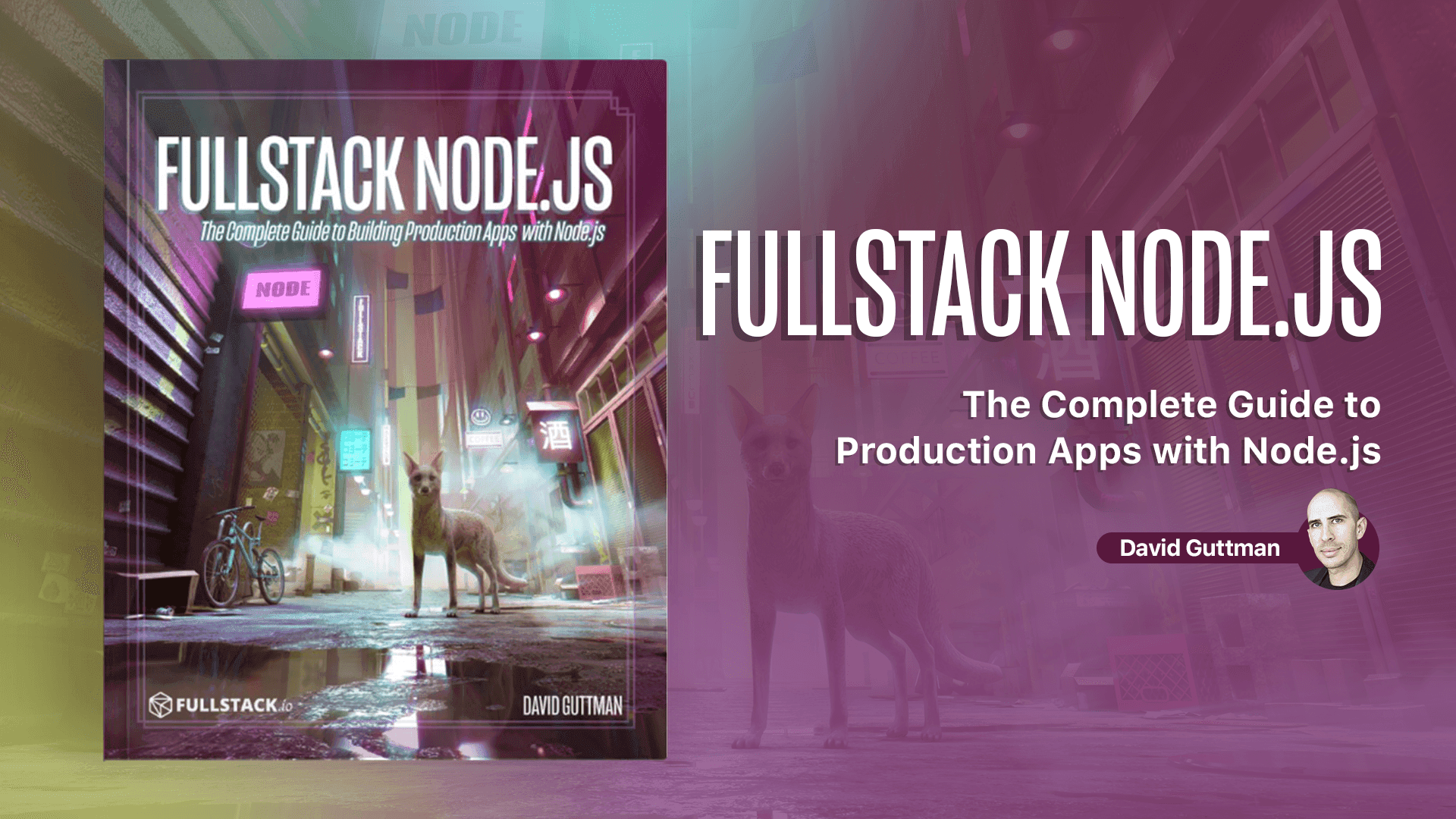
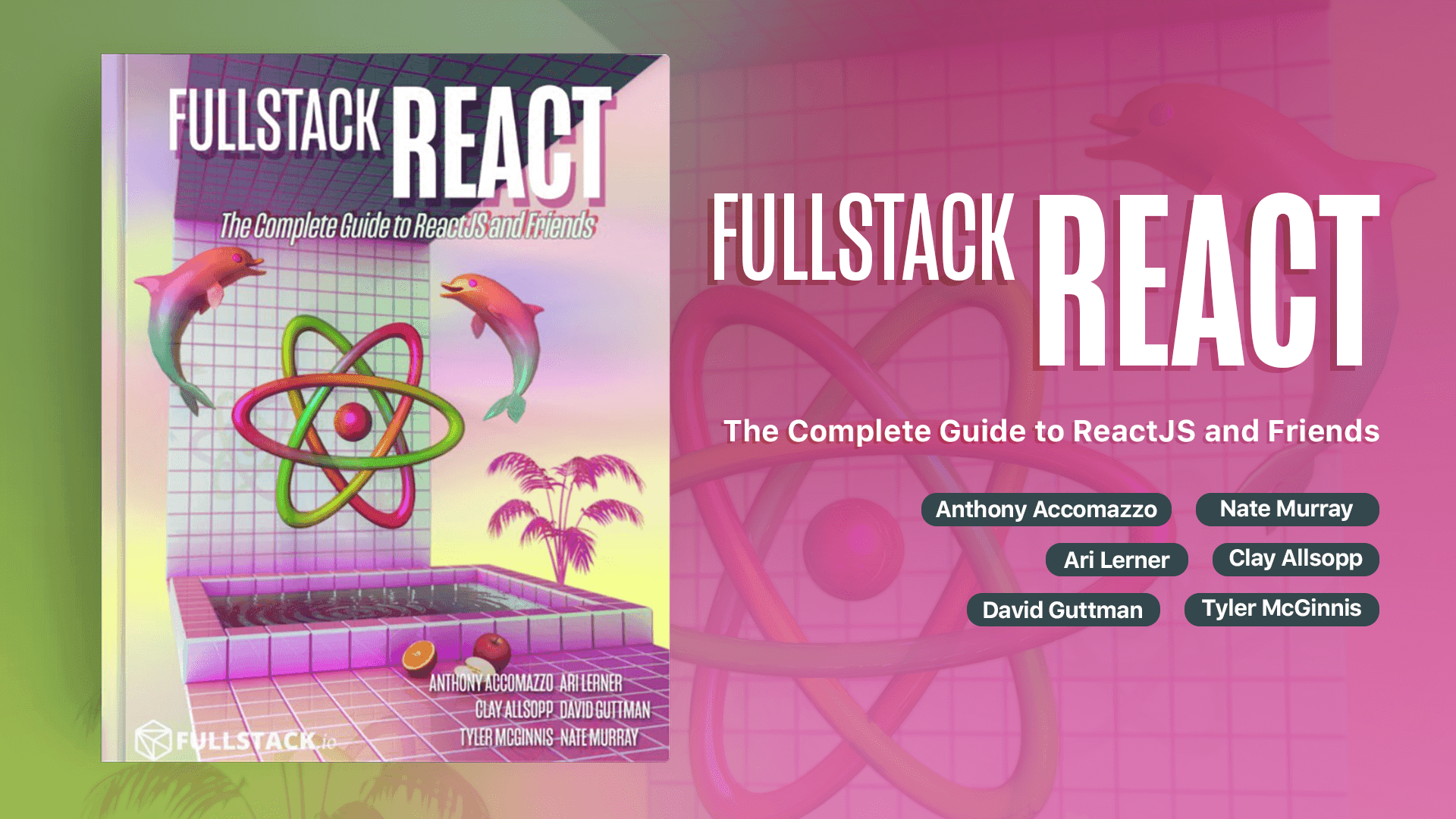
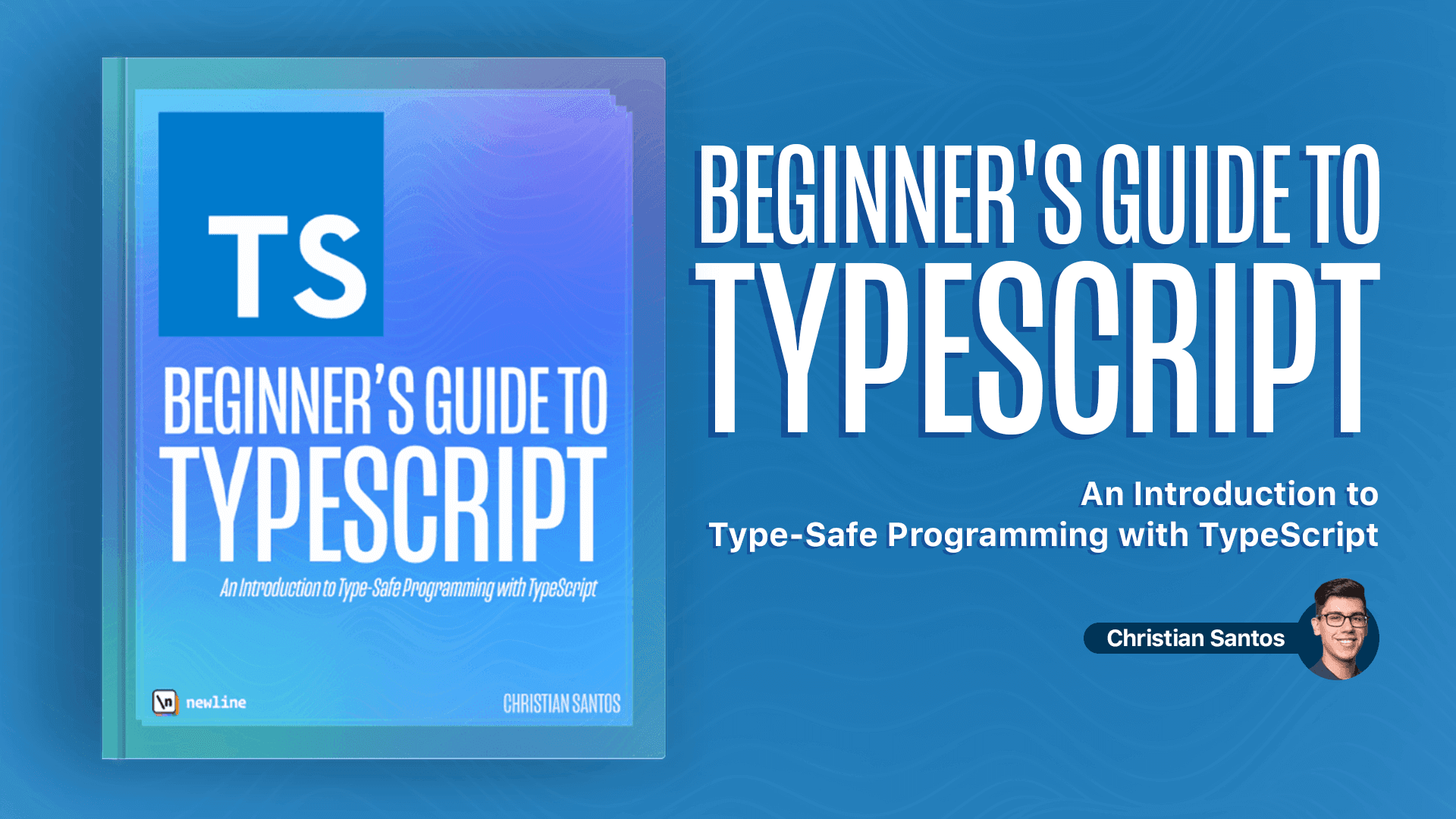
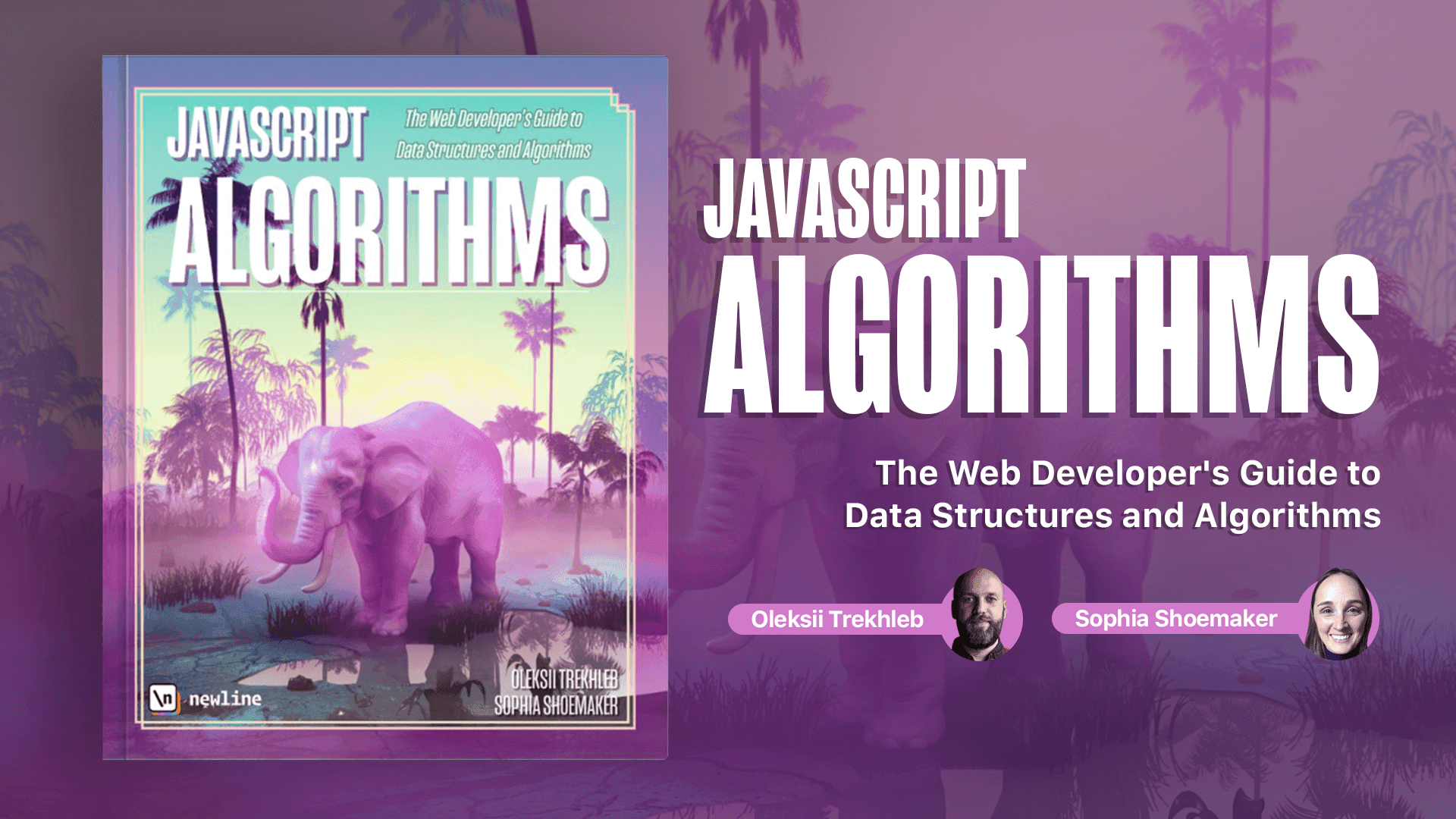
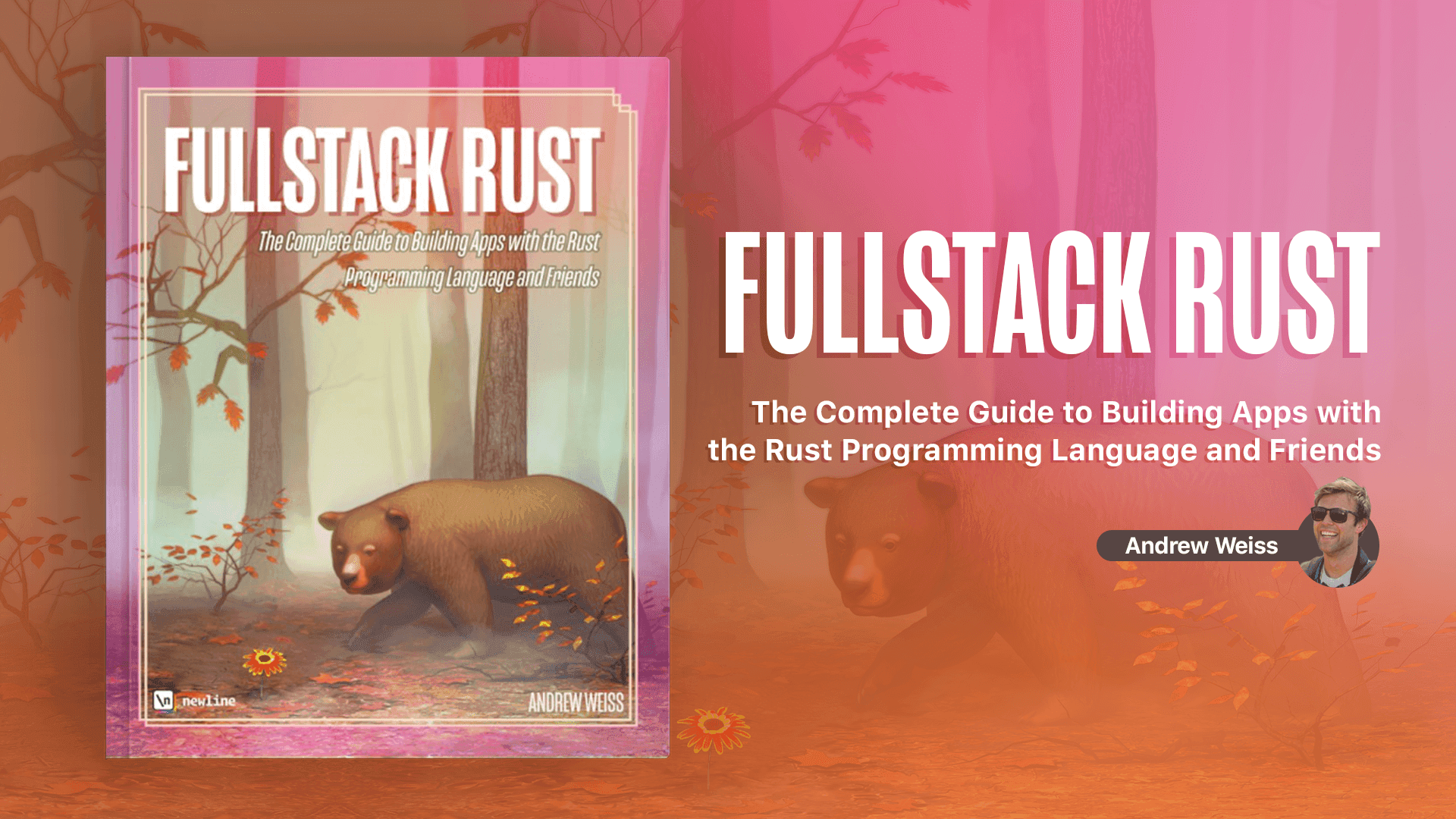
Newline fits learning into any schedule
Your time is precious. Regardless of how busy your schedule is, newline authors produce high-quality content across multiple mediums to make learning a regular part of your life.
Have a long commute or trip without any reliable internet connection options?
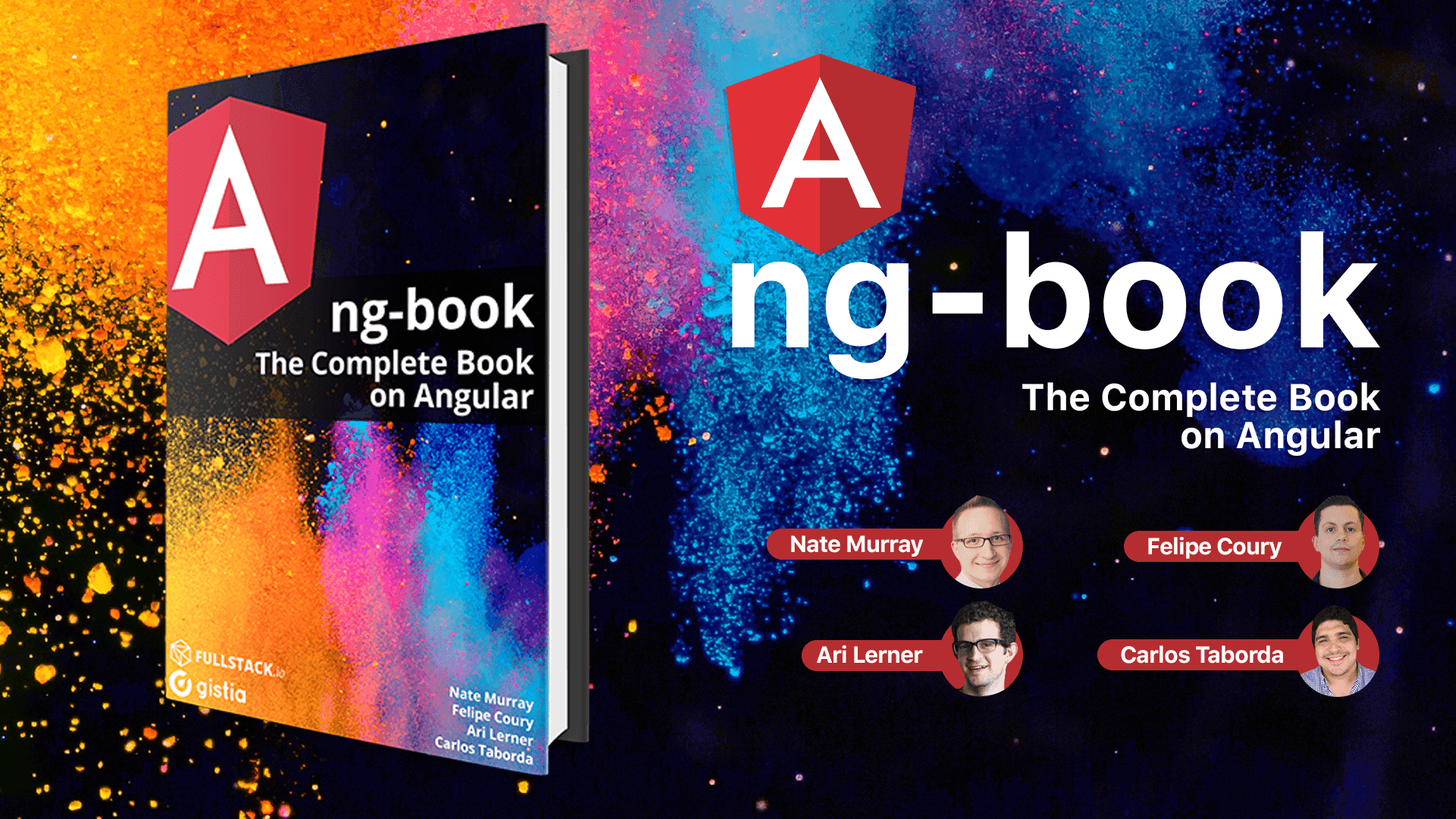
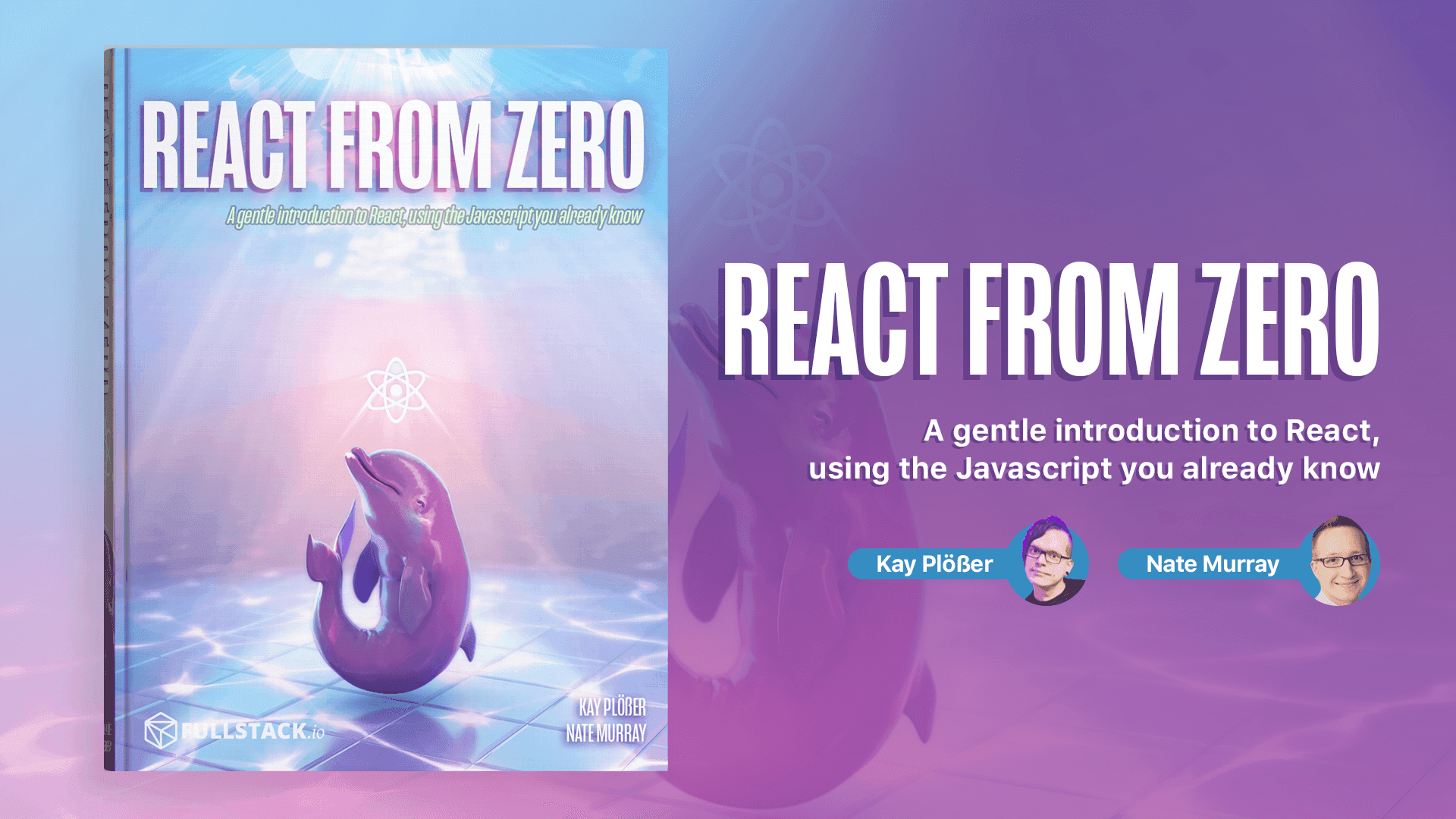
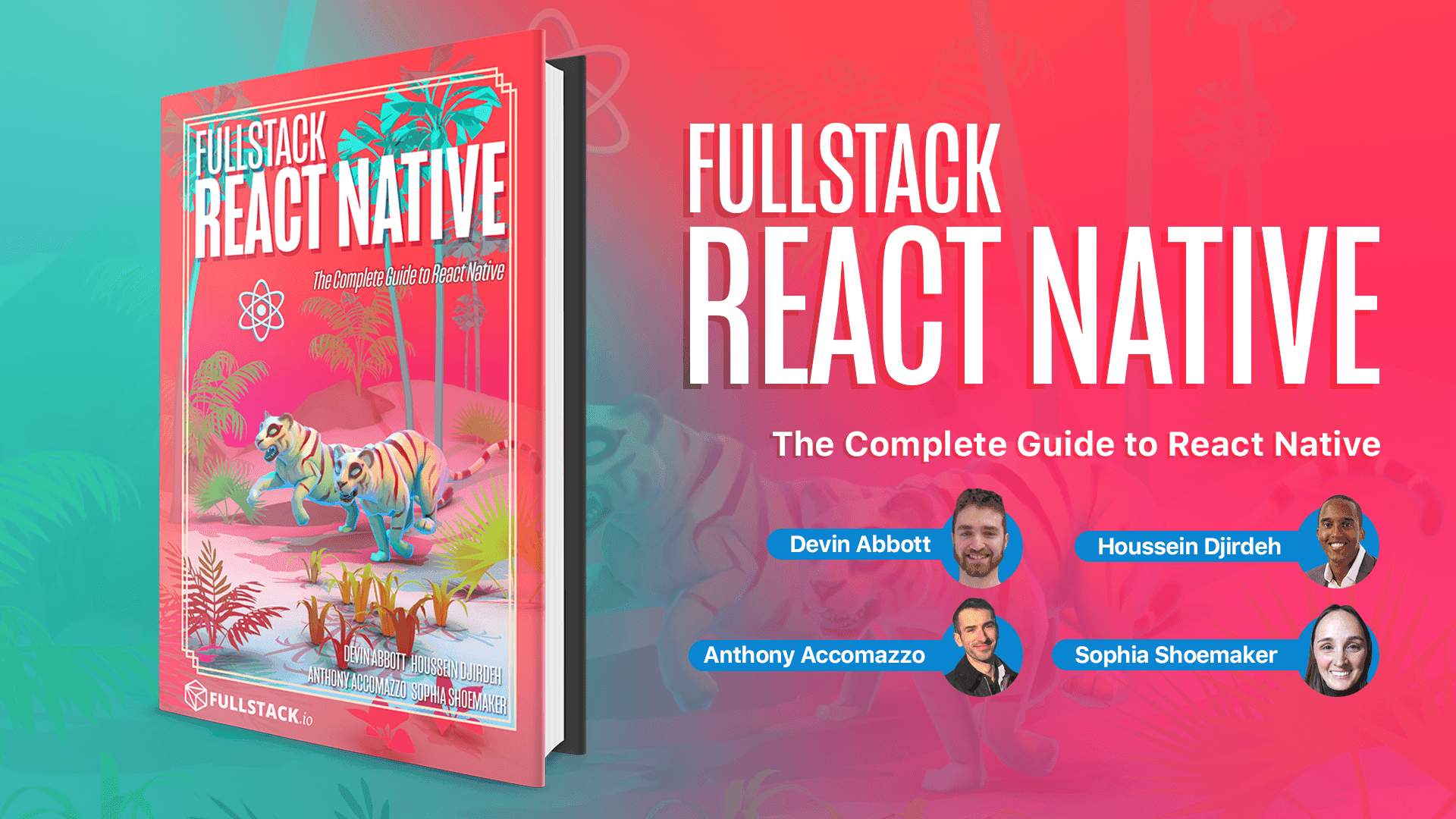
Download one of the 15+ books. Available in PDF/EPUB/MOBI formats for accessibility on any device
Have time to sit down at your desk with a cup of tea?
Watch over 500+ hours of video content across all newline courses
Only have 30 minutes over a lunch break?
Explore 1-minute shorts and dive into 3-5 minute videos, each focusing on individual concepts for a compact learning experience.
In fact, you can customize your learning experience as you see fit in the newline student dashboard:


Building a Beeswarm Chart with Svelte and D3
Connor RothschildGo To Course →
Hovering over elements behind a tooltip
Connor explains how setting the CSS property pointer-events to none allows users to hover over elements behind a tooltip in SVG data visualizations.


![[SHORT] How to Enable Strict Type-Checking in TypeScript](/_next/image?url=https%3A%2F%2Fimage.mux.com%2FtHh6c5tgsfAry02zSWTZAnCzcS5OqTzTM6OF02Vv8AKBE%2Fthumbnail.png&w=640&q=75)

newline content is produced with editors
Providing practical programming insights & succinctly edited videos
All aimed at delivering a seamless learning experience

Want FREE newline content directly to your inbox?
Get access to free videos, hands on tutorials and more, right now by joining our newsletter.
Find out why 200,000+ developers love newline
See what students have to say about newline books and courses


José Pablo Ortiz Lack
Full Stack Software Engineer at Pack & Pack
I got a job offer, thanks in a big part to your teaching. They sent a test as part of the interview process, and this was a huge help to implement my own Node server.
This has been a really good investment!
Svelte was exactly what I needed after feeling frustrated using only d3 and vanilla JS for some time. Connor does a fantastic job explaining the Svelte framework, concepts and best practices. Using various examples throughout the modules - both technically sophisticated and perfectly aesthetic - I got to make amazing visualizations and better grasp how Svelte works. Even after completing the course, I constantly return to various sections to see how I can produce something. Highly recommend it!

Amit Grinson
Risk Data Analyst at PayoneerNewline is a great platform for learners and professionals.

Kunal Ranjan
Great course! I've been studying it and it's simply revolutionary in terms of how to do things!

Patrick Kennedy
Information Management Specialist at U.S. Department of StateHow to Become a Web Developer is amazing and I never found resource like this before. I am Software Engineer and work as a desktop developer. It took me too long to know about the things you wrote in this book. Actually I refreshed my information when reading it. I would absolutely recommend this amazing book to anyone wanting to know the basics.

Hoda Eldawy
Software Developer at Camis IncI was looking for a new job with Golang. I used the Golang book from newline and I made a project based on this book to use in my portfolio. In just a few weeks, I got a new position with Golang. Thanks, your books are important for my career development.

Uian Sol
Web Application Developer at Software Practices Laboratory (SPLab)As someone that is interested in systems programming, but did not know where to start, newline was a great way for me to get going. The books are structured in a digestible way that teach the what, how, and why of programming languages.

Mathew Varughese
Software Engineer at StripeI'm happy to say, newline finds a pragmatic approach to cover these topics for regular people.

Nadine Whitfield
Developer Consultant at ThoughtWorksI bought several React books before this one and I was seriously disappointed in them. I have had a lot of fun working through Fullstack React, which has led to a lot of great learning.

Amanda Riu
Mobile Wrangler / Android Engineer at AutomatticYou are fantastic, I learned a lot during the course. It improved my skills in web dev a lot.

Edmur Lopes
System Integration and Validation Engineer at NokiaI love the approach to learning you've created and the support on Discord. The speed at which you progress keeps it fresh and sharp. Each module is better than the last because I can see my app build in front of my eyes.

Mitchelle Ribar
Executive Director, Head of Marketing Platforms at JPMorgan Chase & Co.I read Fullstack React previously, and Fullstack React with TypeScript shares the same level of brilliance. Within the first 20 pages it has already helped deepen my understanding of Typescript and React. I have 3 years experience as a React dev and only recently started learning Typescript with it. I foresee this book helping me upskill to upper mid level in React and hopefully bringing my Typescript skills close to that as well.

Brandon May
Software Developer at JPMorgan Chase & Co.It is interesting to explore new frameworks, but also extremely difficult when you have to piece together advice from different sites. More in depth than blog posts, and more hands on than reading the docs, you will learn by doing with newline. Thanks to these materials, picking up new technologies for work have gone smoothly.

Angeline Tan
Software Engineer at ThoughtWorksHaving everything put together in one place is so much better than trying to do it in separate tutorials. I also liked that this course started simple and showed the techniques that are used to develop the app rather than just looking at the finished project and not knowing how it got there. Tinyhouse really made things clear for me.

Jonathan Howard
Software DeveloperI have ng-book and I love the style. No Yadi yada. Just simple plain useable information. You guys are doing a fantastic job.

Jean Lecante
Senior Cloud Application Modernization Architect at IBMMeet the newline authors
newline authors possess a wealth of industry knowledge and an infinite passion for sharing their knowledge with others. newline authors explain complex concepts with practical, real-world examples to help students understand how to apply these concepts in their work and projects.
Level up with the newline pro subscription
Ready to take your career to the next stage?
newline pro subscription
- Unlimited access to 60+ newline Books, Guides and Courses
- Interactive, Live Project Demos for every newline Book, Guide and Course
- Complete Project Source Code for every newline Book, Guide and Course
- 20% Discount on every newline Masterclass Course
- Discord Community Access
- Full Transcripts with Code Snippets
LOOKING TO TURN YOUR EXPERTISE INTO EDUCATIONAL CONTENT?
At newline, we're always eager to collaborate with driven individuals like you, whether you come with years of industry experience, or you've been sharing your tech passion through YouTube, Codepens, or Medium articles.
We're here not just to host your course, but to foster your growth as a recognized and respected published instructor in the community. We'll help you articulate your thoughts clearly, provide valuable content feedback and suggestions, all towards publishing a course students will value.
At newline, you can focus on what matters most - sharing your expertise. We'll handle emails, marketing, and customer support for your course, so you can focus on creating amazing content
newline offers various platforms to engage with a diverse global audience, amplifying your voice and name in the community.
From outlining your first lesson to launching the complete course, we're with you every step of the way, guiding you through the course production process.
In just a few months, you could not only jumpstart numerous careers and generate a consistent passive income with your course, but also solidify your reputation as a respected instructor within the community.


